Hornbuckle: A Vintage Font with Art Nouveau Charm
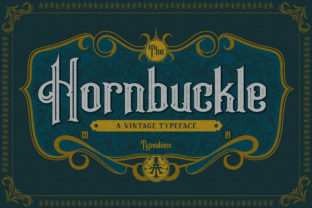
In a world where digital design dominates, the allure of vintage typography remains unmatched. Hornbuckle is one such font that captures the essence of bygone eras while offering modern versatility. With its elegant curves and intricate details, Hornbuckle blends seamlessly with the Art Nouveau style, making it a compelling choice for those who appreciate both historical flair and contemporary functionality.
What Makes Hornbuckle Unique?
Hornbuckle stands out due to its distinct character and expressive nature. Unlike many fonts that prioritize simplicity, Hornbuckle embraces complexity, offering a visual language that feels both nostalgic and sophisticated. Its strokes are fluid, and its letterforms possess a handcrafted quality that evokes a sense of artistry. This makes it ideal for projects that seek to convey a sense of timelessness or creativity.
When paired with the Art Nouveau style—known for its flowing lines, organic motifs, and ornate designs—Hornbuckle becomes even more powerful. The combination creates a harmonious aesthetic that can elevate branding, editorial layouts, and artistic expressions. Whether you're designing a logo, a book cover, or a website, Hornbuckle adds a touch of elegance that sets your work apart.
Practical Benefits of Using Hornbuckle
For professionals in creative fields, Hornbuckle offers more than just visual appeal—it provides practical advantages. Its readability in smaller sizes makes it suitable for body text in print and digital formats, while its decorative elements add personality to headings and titles. This balance between form and function ensures that Hornbuckle is not just a stylistic choice but also a useful tool.
Entrepreneurs and small business owners can benefit from using Hornbuckle in their branding efforts. A well-chosen font can help establish a brand's identity and differentiate it from competitors. By incorporating Hornbuckle into logos, packaging, or marketing materials, businesses can communicate a sense of authenticity and craftsmanship that resonates with discerning customers.
Who Can Benefit from Hornbuckle?
Designers, illustrators, and artists will find Hornbuckle particularly appealing. Its unique characteristics allow for greater creative expression, enabling them to craft visuals that stand out in a saturated market. Educators and publishers may also find value in using Hornbuckle for educational materials, as its vintage aesthetic can make content more engaging and memorable.
Bloggers and content creators looking to add a personal touch to their work can use Hornbuckle to enhance their visual storytelling. Whether it's for a blog header, social media graphic, or newsletter design, this font brings a sense of character that can captivate audiences and reinforce a brand's voice.
Realistic Use Cases for Hornbuckle
Consider a boutique coffee shop looking to create a cohesive brand identity. By using Hornbuckle in their signage, menus, and promotional materials, they can evoke a sense of old-world charm that complements their artisanal offerings. The font’s Art Nouveau compatibility enhances the overall aesthetic, making the space feel more inviting and authentic.
Another example is a publisher creating a limited edition book. Incorporating Hornbuckle into the cover design can give the book a timeless feel that appeals to collectors and literature enthusiasts. The font’s ornate details align with the themes of classic literature, adding an extra layer of meaning and visual interest.
Limitations and Considerations
While Hornbuckle is a versatile font, it may not be suitable for every project. Its intricate details can sometimes reduce legibility in large blocks of text, especially in digital formats. It’s important to test the font in different contexts to ensure it meets the needs of your audience.
Additionally, users should consider the availability of the font. Hornbuckle may not be included in all design software, requiring purchase or licensing. It’s wise to check compatibility before committing to a project that relies heavily on this font.
Combining Hornbuckle with Other Styles
The beauty of Hornbuckle lies in its ability to blend with other design elements. When paired with minimalist layouts, it adds a touch of sophistication without overwhelming the composition. Conversely, when used alongside bold graphics or vibrant colors, it enhances the overall visual impact, creating a balanced and dynamic look.
Designers often experiment with combining Hornbuckle with modern sans-serif fonts to achieve a contrast that highlights its unique qualities. This approach can be particularly effective in web design, where variety and visual hierarchy are essential.
Why Hornbuckle Matters to You
Whether you're a designer, a business owner, or a creative professional, Hornbuckle offers a way to express individuality and craftsmanship. In a world where consistency and efficiency are valued, this font reminds us of the power of artistry and storytelling. It allows you to create work that not only looks good but also feels meaningful.
By choosing Hornbuckle, you’re not just selecting a font—you’re embracing a design philosophy that values beauty, history, and emotional connection. Its charm lies in its ability to inspire, whether you're working on a personal project or a professional endeavor.
Final Thoughts on Hornbuckle
Hornbuckle is more than a vintage font; it’s a tool for creative expression and visual storytelling. Its compatibility with Art Nouveau and its ability to add character to any design make it a valuable asset for anyone looking to stand out. While it may not be the best fit for every project, its unique qualities offer a refreshing alternative to more conventional typefaces.
As you explore the possibilities of Hornbuckle, remember that the goal is to enhance your message and connect with your audience. Whether you're designing a logo, crafting a document, or creating a piece of art, this font has the potential to elevate your work in unexpected ways. Embrace its charm and discover how it can transform your design journey.