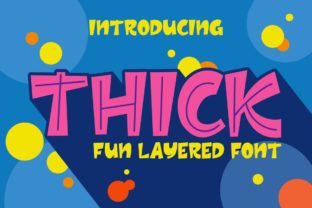
Thick: The Bold Font That Brings Fun to Every Design
When it comes to typography, the right font can make all the difference. Thick is more than just a typeface—it's a statement. With its thick, bold strokes and playful character, Thick has become a go-to choice for designers looking to add a touch of whimsy and energy to their work. Whether you're creating a comic strip, designing Halloween decorations, or crafting a brand identity that needs a bit of flair, Thick offers a unique visual appeal that stands out.
Unlike traditional fonts that often prioritize legibility over personality, Thick embraces a more expressive style. Its heavy weight and exaggerated curves give it a dynamic look that feels both modern and nostalgic. This blend of qualities makes it particularly well-suited for projects that aim to capture attention and evoke emotion—two key elements in today’s fast-paced digital landscape.
As design trends continue to shift toward more personalized and expressive visuals, fonts like Thick are gaining traction. In an era where brands are constantly seeking ways to differentiate themselves, the use of distinctive typography can be a powerful tool. Thick allows creators to communicate tone and mood without relying on complex graphics or color schemes, making it a versatile asset in any designer’s toolkit.
Why Thick Fits the Current Design Landscape
The rise of comic-style designs and Halloween crafts has brought Thick into the spotlight. These creative fields often rely on bold, eye-catching elements to convey a sense of fun and excitement. Thick’s strong, confident appearance aligns perfectly with these aesthetics, offering a font that feels both playful and professional.
Comic book art, for example, frequently uses thick outlines and exaggerated lettering to emphasize action and drama. Thick mirrors this approach, making it ideal for titles, captions, and dialogue boxes in graphic storytelling. Similarly, Halloween crafts benefit from the font’s lively presence, whether it’s used for signs, banners, or handmade cards. Its ability to command attention without overwhelming the viewer makes it a favorite among hobbyists and professionals alike.
Moreover, the increasing popularity of DIY culture and personal branding has created new opportunities for fonts like Thick. As more people turn to self-expression through design, the demand for accessible yet distinctive typefaces has grown. Thick meets this need by offering a high-impact look that’s easy to use and adaptable across different mediums.
The Evolution of Typography in Creative Work
Typography has come a long way from its early days as a purely functional tool. Today, it plays a central role in shaping visual identity and user experience. This evolution has led to a greater appreciation for fonts that offer both aesthetic value and practicality—like Thick.
Designers now have access to a wide range of typefaces, but not all are suited for every project. Thick’s unique characteristics set it apart by providing a balance between creativity and clarity. It’s a font that can be used in both casual and formal contexts, depending on how it’s applied. For instance, it might appear in a children’s book to add a sense of adventure, or in a marketing campaign to inject energy and personality into the message.
This adaptability reflects a broader trend in the design industry: the move toward more flexible and multifunctional tools. As creators face tighter deadlines and higher expectations, they need resources that can deliver results quickly without sacrificing quality. Thick fulfills this role by offering a reliable, high-impact option that doesn’t require extensive customization.
Practical Applications for Everyday Users
While Thick may seem like a niche choice, its applications extend far beyond comic books and seasonal crafts. From social media posts to packaging design, the font can enhance a variety of projects. Its boldness ensures that text remains readable even at smaller sizes, making it suitable for everything from headlines to labels.
For entrepreneurs and small business owners, Thick can be a valuable asset in branding. A well-chosen font can help a business stand out in a crowded market, and Thick’s distinctive look can contribute to a memorable visual identity. It’s especially effective for brands targeting younger audiences or those looking to convey a sense of fun and innovation.
Bloggers and content creators also find value in using Thick for headings and subheadings. It adds visual interest to articles and can help guide readers through complex information. When paired with complementary fonts, it can create a balanced and engaging layout that keeps readers interested.
Recommendations for Using Thick Effectively
To get the most out of Thick, consider the following tips:
- Use it for emphasis: Thick works best when used sparingly to highlight key points or draw attention to specific elements.
- Pair it with simpler fonts: Combining Thick with a clean, neutral typeface can create a visually appealing contrast that enhances readability.
- Experiment with size and spacing: Adjusting the font size and line height can help achieve the desired effect without overwhelming the design.
- Test it in different contexts: Try using Thick in various projects to see how it performs in different formats and environments.
By understanding how to use Thick effectively, users can unlock its full potential and elevate their creative work. Whether you’re a seasoned designer or a beginner exploring the world of typography, Thick offers a fresh and exciting option that can bring your ideas to life.
Looking Ahead: The Future of Bold Typography
As design continues to evolve, the role of bold and expressive fonts like Thick is likely to grow. With the increasing focus on visual storytelling and emotional engagement, there will be more opportunities for fonts that can convey personality and energy. Thick is well-positioned to meet this demand, offering a timeless yet contemporary look that resonates with a wide audience.
At the same time, it’s important to remain mindful of context and purpose. While Thick is a powerful tool, it’s not always the best choice for every project. Understanding when and how to use it can help ensure that it enhances rather than detracts from the overall design.
In the end, the success of a font like Thick depends on how it’s used. By combining creativity with thoughtful application, designers can harness its strengths and create compelling, memorable work that stands out in a competitive landscape.