Pink Polka: A Bold and Fun Handwritten Font with Polka Dots
When it comes to choosing a font that stands out, Pink Polka offers a unique blend of creativity and style. This handwritten font features polka dots, making it ideal for projects that require a playful and contemporary look. Whether you're designing a logo, creating marketing materials, or working on a personal project, understanding the characteristics and potential uses of Pink Polka can help you make an informed decision.
What Is Pink Polka?
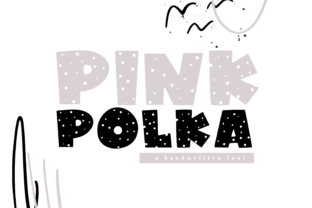
Pink Polka is a distinctive font that combines the organic feel of handwriting with the visual appeal of polka dots. Its design is both bold and fun, making it a popular choice for those looking to add a touch of personality to their work. The font’s irregularities and natural flow give it a handcrafted quality, while the polka dots provide a sense of rhythm and pattern.
This font is particularly well-suited for creative industries such as fashion, graphic design, and branding. Its eye-catching appearance can draw attention and convey a sense of energy and innovation. However, its suitability depends on the context and the message you want to communicate.
Reasons to Consider Pink Polka
There are several reasons why someone might be drawn to Pink Polka. First, its unique aesthetic sets it apart from more traditional fonts. If you're looking for a way to make your work stand out, this font could be an excellent choice. Its playful nature makes it ideal for projects targeting younger audiences or those with a casual, informal tone.
Another advantage of Pink Polka is its versatility. While it has a strong visual identity, it can be used in a variety of settings, from digital platforms to print materials. Its boldness ensures that it remains legible even at smaller sizes, though careful consideration of spacing and contrast is recommended.
Benefits and Tradeoffs
One of the main benefits of using Pink Polka is its ability to convey emotion and personality. The font's design can evoke feelings of joy, creativity, and spontaneity, which can be valuable in branding and marketing efforts. Additionally, its distinctiveness can help establish a strong visual identity for a brand or project.
However, there are tradeoffs to consider. The font's bold and stylized appearance may not be suitable for all types of content. In formal or professional contexts, it could come across as too informal or unprofessional. Furthermore, its unique design may limit its compatibility with certain design software or platforms, requiring additional adjustments to ensure optimal display.
Situations Where Pink Polka Fits Well
Pink Polka is best suited for projects that benefit from a creative and energetic visual style. For example, it could be an excellent choice for a children's book, a music festival poster, or a social media campaign aimed at a younger demographic. Its playful nature aligns well with these types of initiatives, helping to capture attention and convey a sense of fun.
In addition, the font works well for logos or brand identities that aim to communicate a sense of innovation and originality. It can help differentiate a brand from competitors and create a memorable visual presence. When used effectively, Pink Polka can become a key element of a brand's overall aesthetic.
Situations Where Alternatives May Be Better
While Pink Polka has many strengths, there are scenarios where other fonts may be more appropriate. In formal or corporate environments, a more traditional typeface might be preferred to maintain a sense of professionalism and clarity. Similarly, for projects that require high readability, such as long-form text or technical documents, a simpler font could be more effective.
It's also important to consider the target audience. If the intended viewers are more conservative or prefer a clean, minimal design, Pink Polka may not resonate as strongly. In such cases, alternative fonts that offer a balance between style and functionality could be a better fit.
Practical Decision-Making Insights
When deciding whether to use Pink Polka, it's essential to evaluate your specific needs and goals. Ask yourself: What message do I want to convey? Who is my audience? What is the context of the project? These questions can help guide your font selection and ensure that your choice supports your overall objectives.
Testing the font in different contexts is also advisable. Experiment with how it looks in various sizes, colors, and layouts to determine its effectiveness. Additionally, consider how it interacts with other design elements, such as images, backgrounds, and typography. A cohesive visual approach can enhance the impact of the font and improve the overall design.
Finally, don't hesitate to explore alternatives. While Pink Polka offers a unique and appealing style, there may be other fonts that better suit your specific requirements. Comparing options and considering their strengths and limitations can lead to a more informed and effective decision.
Conclusion
Pink Polka is a bold and fun handwritten font that can add a distinctive flair to your design projects. Its combination of polka dots and a casual, expressive style makes it ideal for creative and playful applications. However, its suitability depends on the context, audience, and goals of your work.
By carefully evaluating your needs and considering the strengths and limitations of Pink Polka, you can determine whether it aligns with your vision. Whether you choose to use it or explore other options, understanding the role of typography in design can help you make choices that enhance the overall impact of your work.