Chuck Noon Brush: A Vintage-Inspired Display Font for Modern Design
Chuck Noon Brush is a clean, bold display font that brings a vintage aesthetic to contemporary design projects. With its natural, hand-drawn appearance, it offers a unique blend of classic charm and modern readability. This font is ideal for those seeking a stylish yet functional typeface that stands out without overwhelming the viewer.
Understanding Chuck Noon Brush
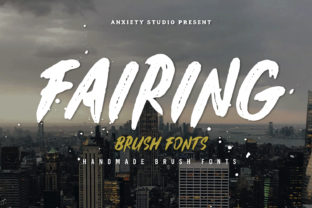
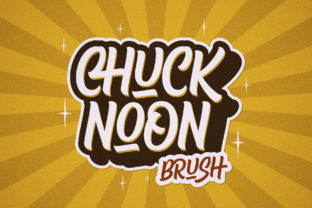
Chuck Noon Brush is designed to mimic the look of brush strokes, giving it a handmade feel that feels authentic and organic. The font’s structure is straightforward, with clear letterforms that maintain legibility even at smaller sizes. Its bold weight makes it particularly effective for headings, logos, and other visual elements where impact is important.
The font’s vintage appeal stems from its subtle imperfections—slightly uneven lines and varying stroke widths—that evoke the look of traditional calligraphy or hand-painted signage. These characteristics make it a popular choice for brands looking to convey a sense of nostalgia or craftsmanship.
Why Someone Might Be Interested in Chuck Noon Brush
Designers and developers often seek fonts that offer both visual interest and practicality. Chuck Noon Brush fits this need by providing a distinctive style while remaining easy to use across different platforms. Its versatility allows it to work well in both digital and print formats, making it a valuable addition to any designer’s toolkit.
For those working on projects with a retro or artisanal theme, Chuck Noon Brush can be an excellent fit. It works well in branding, packaging, editorial design, and web typography where a touch of character is desired. The font’s boldness also makes it suitable for headlines and titles that need to command attention without being too flashy.
Benefits of Using Chuck Noon Brush
One of the primary benefits of Chuck Noon Brush is its ability to add personality to a design. Unlike more neutral or geometric fonts, it introduces a sense of warmth and individuality. This can be especially useful when trying to differentiate a brand or project from competitors.
The font is also relatively easy to integrate into existing design systems. Its clean structure ensures that it pairs well with other typefaces, allowing for flexibility in layout and composition. Additionally, its readability at larger sizes makes it a strong candidate for use in posters, banners, and other large-format applications.
Tradeoffs and Considerations
While Chuck Noon Brush has many strengths, it may not be the best choice for every project. Its brush-like texture can sometimes reduce clarity, especially at smaller sizes or in dense text blocks. This means it is best suited for short phrases, headings, or decorative elements rather than body copy.
Another consideration is the font’s availability. Depending on the platform or software being used, access to Chuck Noon Brush may be limited. Users should verify compatibility before committing to a project, as some tools may require specific file formats or licensing agreements.
Situations Where Chuck Noon Brush Is a Strong Fit
Chuck Noon Brush excels in situations where a vintage or artistic tone is desired. It is particularly effective in branding for businesses that want to evoke a sense of tradition, craftsmanship, or creativity. For example, it could be used in the logo of a boutique coffee shop, a craft brewery, or an independent publishing house.
It also works well in editorial design, such as magazine covers, book titles, or promotional materials that benefit from a visually engaging typeface. Its bold nature makes it ideal for creating focal points in a layout, drawing the viewer’s eye to key information or visual elements.
Situations Where Alternatives May Be Worth Considering
In cases where clarity and neutrality are more important than style, alternative fonts may be more appropriate. For body text or long-form content, a sans-serif or serif font with a more consistent structure might be preferable. Similarly, if a project requires a highly modern or minimalist aesthetic, a cleaner typeface could better align with the overall vision.
Users should also consider the target audience when choosing a font. While Chuck Noon Brush may resonate with younger or design-savvy audiences, it may not be the best fit for more formal or corporate settings where a more traditional typeface would be expected.
Practical Decision-Making Insights
When evaluating whether Chuck Noon Brush is the right choice, designers should test it in real-world scenarios. Experimenting with different sizes, colors, and backgrounds can help determine how well it performs in various contexts. It’s also helpful to compare it with similar fonts to see which one best meets the project’s goals.
Additionally, considering the broader design ecosystem is important. If the font will be used alongside other elements, ensuring that it complements the overall visual language is key. This includes checking how it interacts with images, icons, and other typographic elements.
Finally, users should be mindful of licensing and technical requirements. Some fonts may have restrictions on commercial use or require specific file formats, which can impact workflow and project timelines. Always review the terms of use before incorporating a font into a final design.