Wolf Reality: A Ghostly Display Font for Bold Craft Projects
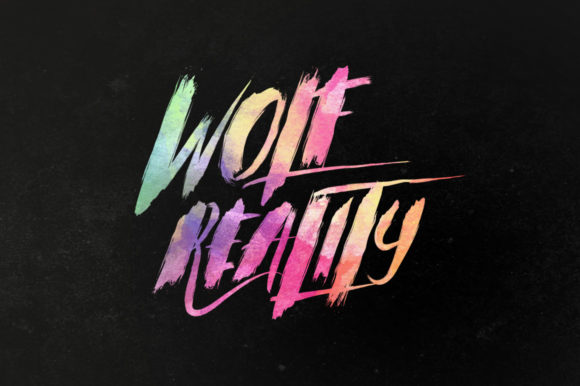
Wolf Reality is a display typeface designed with a distinct ghostly, spooky aesthetic and pronounced boldness. It features sharp, irregular contours, uneven stroke weights, and subtle textural elements that evoke haunted signage, vintage horror posters, and eerie hand-painted lettering. Unlike functional text fonts intended for long-form reading, Wolf Reality is purpose-built for visual impact at larger sizes—typically 36pt and up—where its expressive qualities can be fully appreciated.
Why Designers and Crafters Consider Wolf Reality
People exploring display fonts often seek distinctive typographic voices that communicate mood or theme without relying on imagery alone. Wolf Reality appeals to those working in niche creative domains where atmosphere matters: Halloween event branding, indie horror game UIs, book cover design for paranormal fiction, or handmade greeting cards with a gothic twist. Its stylistic consistency across weights (though typically offered in a single bold weight) supports cohesive visual identity when used intentionally—not as body text, but as a deliberate stylistic anchor.
Its appeal also lies in accessibility of use. As a standard OpenType font, it installs like any other and works across major design applications (Adobe Creative Suite, Affinity apps, Cricut Design Space, Silhouette Studio). No special rendering engines or coding knowledge are required—making it approachable for hobbyists and professionals alike.
Practical Benefits and Realistic Expectations
One clear benefit of Wolf Reality is its immediate thematic resonance. When the goal is to signal “supernatural,” “unsettling,” or “vintage macabre,” it delivers without needing supplemental graphics. This can streamline design workflows—especially for time-constrained projects like seasonal craft fairs or limited-run merchandise.
However, expectations must align with its scope. Wolf Reality is not a versatile font family: it lacks italics, small caps, or light/medium variants. Its character set is typically limited to Latin uppercase and lowercase letters, numerals, and basic punctuation—omitting extended diacritics, currency symbols beyond the dollar sign, or multilingual support. Users planning bilingual layouts or technical documentation will quickly encounter limitations.
Legibility is another key consideration. At smaller sizes—or in low-contrast settings like white text on light gray—it becomes difficult to parse. Letters such as “a,” “e,” and “s” feature high-contrast breaks and narrow apertures that reduce clarity in tight spacing. This isn’t a flaw, but a design intention: Wolf Reality prioritizes tone over transparency.
When Wolf Reality Fits Well
Wolf Reality excels in controlled, high-impact contexts. It’s a strong fit for:
- Physical craft applications, such as vinyl-cut signs, laser-engraved wood signs, or heat-transfer designs on t-shirts—where its bold outlines translate cleanly into cut paths or rasterized prints;
- Short-form digital graphics, including social media banners, YouTube thumbnails, or email headers tied to seasonal campaigns (e.g., “October Haunted Trail” signage);
- Book and album art where typography functions as part of the composition rather than pure information delivery—particularly in genres like dark fantasy, urban legend anthologies, or synthwave-inspired releases;
- Personal or small-business branding with a clearly defined, consistent aesthetic—such as a tarot reader’s website header or a boutique candle label themed around folklore and shadows.
In each case, success depends less on the font itself and more on how deliberately it’s deployed: paired with ample negative space, complementary textures (like grainy paper scans or subtle noise overlays), and restrained color palettes (deep purples, charcoal grays, blood reds).
When to Explore Alternatives
Wolf Reality is less suitable when flexibility, readability, or linguistic breadth is essential. For example:
- If your project requires both display and body text—say, a zine with illustrated chapter titles and readable narrative sections—you’ll need a supporting text font. Wolf Reality alone won’t suffice, and pairing it poorly (e.g., with overly decorative companions) risks visual clutter.
- If you’re designing for broad accessibility—including users with low vision or cognitive differences—its low-x-height and irregular forms may hinder comprehension. Fonts with higher contrast tolerance and open letterforms (like Inter or Source Sans Pro) remain better defaults for interface or informational work.
- If your brand voice leans toward playful spookiness rather than grim solemnity, alternatives like Creepster or Blood Sugar offer similar genre cues with slightly more legible structures or expanded language support.
Making an Informed Choice
Selecting a display font like Wolf Reality is ultimately about alignment—not just with aesthetics, but with function, audience, and execution constraints. Before licensing or downloading, test it in your actual workflow: paste sample phrases into your preferred design tool, scale it across intended sizes, and preview on both screen and print output. Ask yourself:
- Does this reinforce, rather than compete with, my core message?
- Will viewers understand the hierarchy—i.e., recognize what’s headline vs. supporting detail—even without color or layout cues?
- Do I have the resources (time, software, hardware) to compensate for its limitations—such as manually adjusting kerning or building fallbacks for unsupported characters?
Also consider licensing terms. While many versions of Wolf Reality are available through independent foundries or marketplaces like Creative Market, usage rights vary. Some permits allow personal craft use but restrict commercial resale of derivative designs (e.g., printable SVG files for others to cut). Always verify permissions before scaling production.
Finally, remember that typography serves communication first. A haunting font won’t salvage unclear messaging—and a perfectly legible one won’t undermine thoughtful concept work. Wolf Reality shines brightest when chosen with intention, not novelty: as one element within a broader design system, not a substitute for it.